





Supply Chain Optimization: Sourcing Solar Inverters Direct from the Factory
- Introduction: The Strategic Advantage of Factory-Direct Sourcing
- Decoding the Solar Inverter Factory Price
- Deep Customization: Beyond the Standard Product (OEM/ODM Solutions)
- The One-Stop Procurement Model: Reducing Hidden Logistics Costs
- Quality Assurance: Vetting a True Manufacturer vs. a Trading Company
- Navigating MOQs (Minimum Order Quantities) and Wholesale Tiers
- Global Distribution Networks and Localized Support
- Full Lifecycle Technical Support: The Real Profit Driver
- Conclusion: Streamlining Your Supply Chain with CONGSIN
- Frequently Asked Questions (FAQs)
- What is the difference between a solar inverter factory price and a wholesale price?
- How can I verify that a supplier is a true factory and not a trading company?
- Does CONGSIN offer OEM/ODM services for small initial orders?
- Why is "One-Stop Procurement" important for my solar business?
- How do import tariffs and shipping affect the final landed cost of the inverter?
- What level of technical support should I expect when buying direct from a factory?
Introduction: The Strategic Advantage of Factory-Direct Sourcing
The residential solar market is experiencing explosive global growth as homeowners increasingly demand energy independence and protection against rising grid costs. For local residential solar installers and regional distributors, this boom presents a massive opportunity, but it also brings fierce price competition. Navigating this landscape requires a shift in procurement: bypassing trading companies and sourcing your core residential equipment directly from the manufacturing source. Partnering with a Solar inverter direct factory grants you a strategic advantage that goes beyond simple cost reduction. It gives you absolute control over product quality, predictable lead times, and direct access to essential technical support. More importantly, it empowers your residential installation business to transition from a simple reseller into a formidable local brand, capable of offering highly reliable, customized home energy systems that dominate your specific suburban or regional market.
Decoding the Solar Inverter Factory Price
Understanding the true economics of residential renewable energy requires dismantling the retail price homeowners see. When a residential installer purchases through domestic wholesalers, they absorb the costs of multiple markups and redundant local warehousing. To decode the actual cost, you must look at the EXW or FOB factory price. This baseline reflects the genuine cost of high-grade components—such as efficient microprocessors and compact cooling systems—combined with manufacturing labor and R&D. By securing a genuine factory price for residential units, B2B buyers can immediately recover significant profit margins. This reclaimed capital can be strategically reinvested into aggressive local neighborhood marketing, expanding your residential installation fleet, or offering more competitive pricing packages to homeowners, ultimately accelerating your market share growth in the residential sector.
Deep Customization: Beyond the Standard Product (OEM/ODM Solutions)
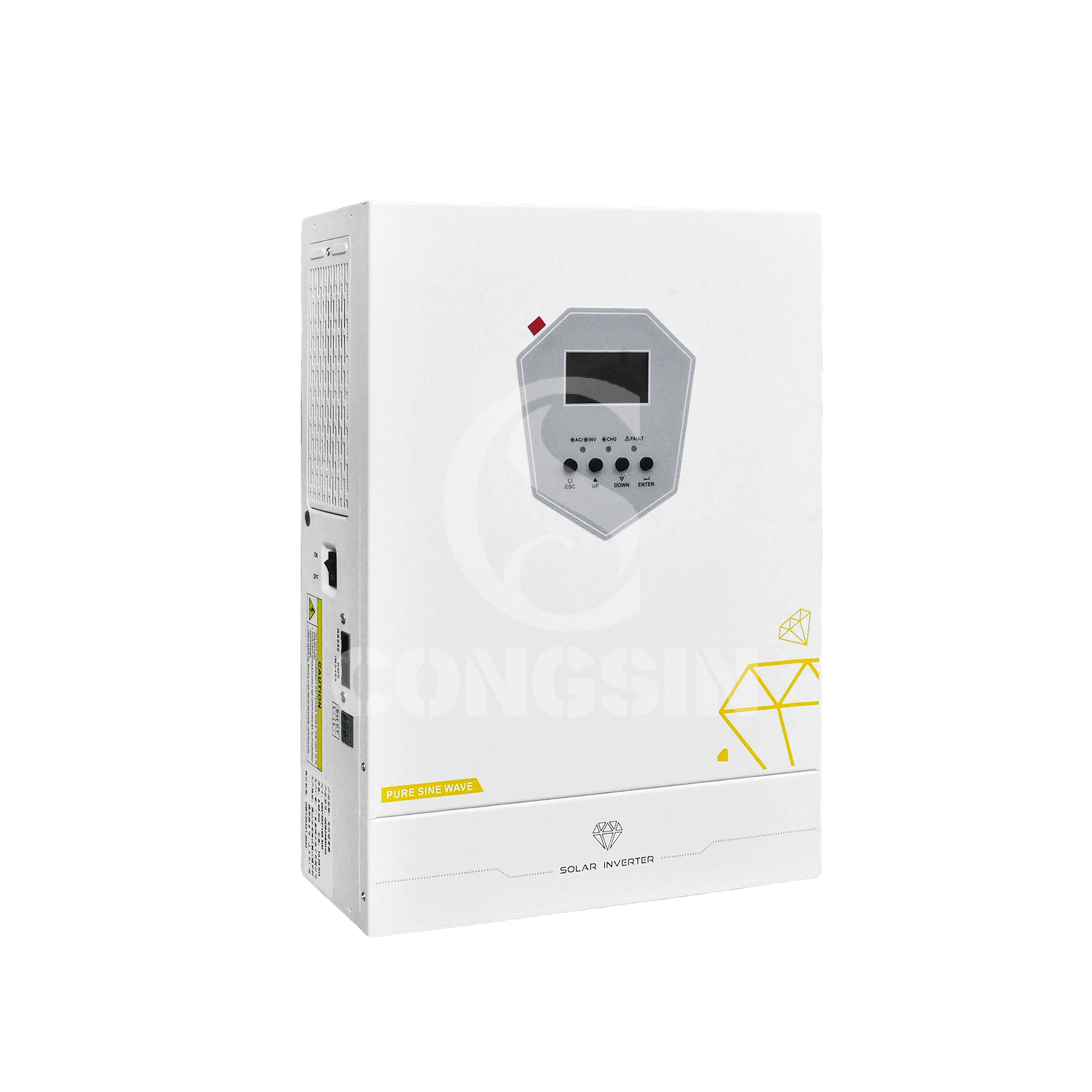
 In the modern residential market, homeowners care deeply about the aesthetics and smart functionality of the devices installed in their garages or living spaces. Generic, off-the-shelf products are rarely sufficient to build a premium local brand. This is where partnering with a capable OEM Solar Inverter manufacturer becomes invaluable. A genuine source factory offers deep customization tailored for home use. Capable manufacturers provide comprehensive ODM services, which include designing sleek, wall-mounted exterior casings that appeal to homeowners, integrating user-friendly smart home monitoring applications (Wi-Fi/Bluetooth), and ensuring quiet, fanless operation. Whether your market demands advanced hybrid functionality for home battery backups or specific anti-islanding protections, deep factory customization ensures your product line is perfectly engineered to meet local residential grid regulations and homeowner expectations.
The One-Stop Procurement Model: Reducing Hidden Logistics Costs
A fragmented supply chain is the silent killer of profitability for residential solar installers. Sourcing roof panels from one factory, home lithium batteries from another, and inverters from a third introduces massive logistical inefficiencies. This multi-vendor approach multiplies international shipping fees, complicates customs clearance, and creates severe technical compatibility risks inside the homeowner's garage. The strategic solution is adopting a "One-Stop Procurement" model. By partnering with a comprehensive home solar system supplier, distributors can consolidate all vital components into single shipments. This drastically reduces the total landed cost. Furthermore, one-stop procurement guarantees that the home inverter seamlessly communicates with the battery management system (BMS), eliminating installation headaches and ensuring a flawless, plug-and-play energy storage experience for the residential end-user.
Quality Assurance: Vetting a True Manufacturer vs. a Trading Company
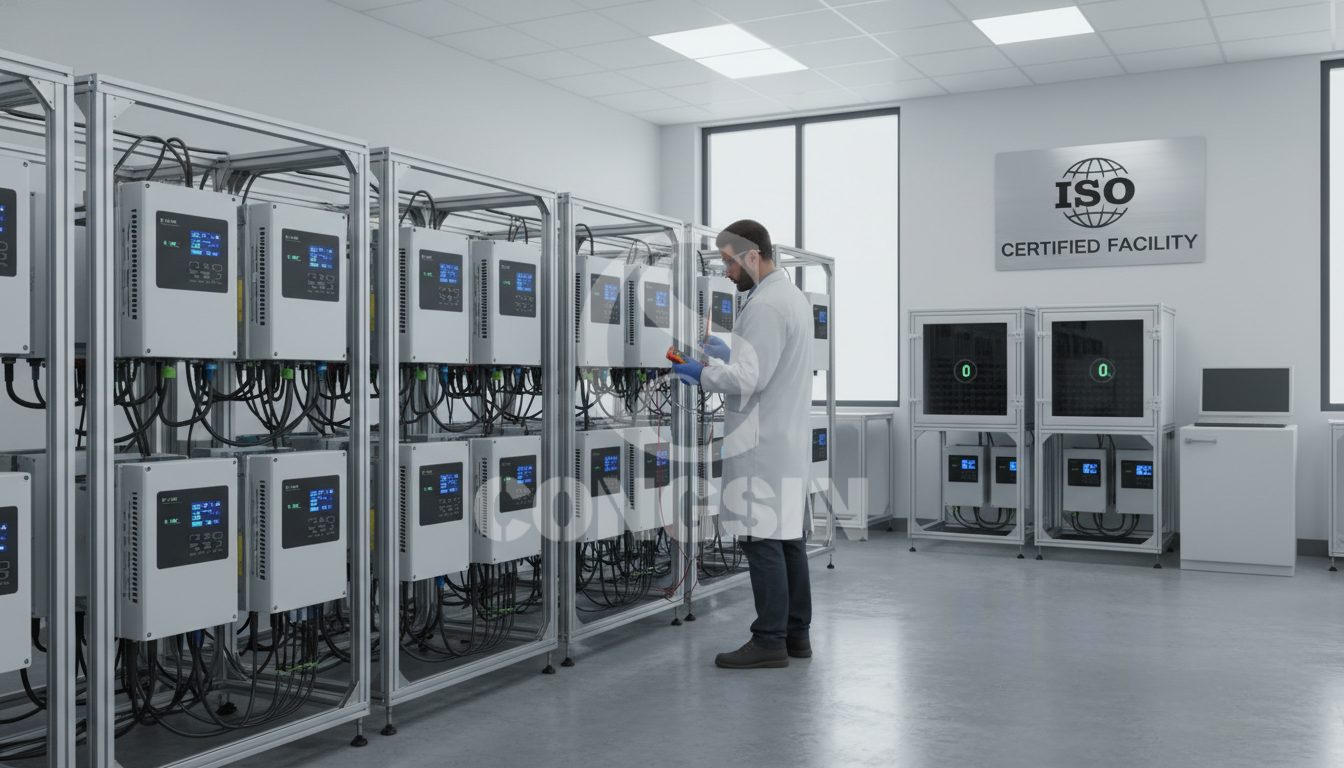
The international B2B marketplace is flooded with agile trading companies posing as legitimate manufacturers of home energy systems. Partnering with a disguised middleman negates factory-direct pricing benefits and severely compromises residential safety standards. Vetting a true manufacturer requires rigorous due diligence. Demand verifiable evidence of their capabilities, such as live video tours of their automated SMT production lines and dedicated residential aging test laboratories. A genuine factory will provide ISO 9001 certifications and demonstrate a robust Quality Control (QC) process ensuring the absolute fire safety and electrical reliability required for home installations. Furthermore, ensure the factory holds recognized international certifications (like CE, UL, or VDE) for their specific Types of Solar Inverters (such as Off-grid, Grid-tied, or Hybrid residential models), proving their equipment is completely safe for deployment in your target country's residential neighborhoods.
Navigating MOQs (Minimum Order Quantities) and Wholesale Tiers
Successful international procurement requires a thorough understanding of B2B pricing structures, which are driven by economies of scale. Direct factories operate on Minimum Order Quantities (MOQs) to efficiently absorb production costs. Residential distributors must strategically navigate these wholesale tiers to optimize inventory for local housing projects. The pricing ladder typically begins with slightly higher sample prices for initial homeowner testing, drops significantly for pallet-level orders (ideal for outfitting a small neighborhood development), and reaches the absolute bottom price for full container loads (FCL). Savvy residential installers work closely with their manufacturing partners to forecast annual demand, allowing them to consolidate orders, meet higher MOQ thresholds, and unlock the most aggressive discount tiers, thereby maximizing their gross profit margins on every home installation.
Global Distribution Networks and Localized Support
The manufacturing process does not end when the product leaves the assembly line; the true test of a factory's capability is its logistical reach and post-sale care. A premier residential inverter manufacturer must seamlessly export equipment worldwide with expert packaging to prevent transit damage. More importantly, the most reliable factories understand that residential installers require immediate localized support. If a homeowner's system goes down, the installer cannot wait weeks for a response. By establishing efficient spare parts channels and offering direct communication with engineers, top-tier manufacturers ensure that technical assistance is available rapidly. This localized approach drastically shortens residential maintenance response times, ensuring that homeowners remain satisfied and the local installer's reputation remains impeccable.
Full Lifecycle Technical Support: The Real Profit Driver
In the residential solar sector, chasing the lowest possible upfront price is a dangerous strategy if it sacrifices after-sales service. A cheap inverter without technical backing is a massive liability in a homeowner's property. The true driver of long-term profitability for solar installers is "Full Lifecycle Technical Support." This means the factory provides continuous assistance from the initial home system design phase through to long-term post-installation maintenance. It includes providing clear, homeowner-friendly manuals, direct access to engineers for remote firmware updates via the home's Wi-Fi, and rapid troubleshooting assistance. When a factory stands behind its product with a solid warranty, it drastically reduces the installer's out-of-pocket maintenance costs and protects their hard-earned brand reputation driven by neighborhood word-of-mouth.
Conclusion: Streamlining Your Supply Chain with CONGSIN
Optimizing your solar supply chain requires more than just chasing the lowest price; it demands a strategic partnership with a reliable manufacturer. By sourcing direct, you gain absolute control over quality, access to deep OEM/ODM customization, and significant cost savings. CONGSIN stands ready to be that manufacturing powerhouse for your business. With our one-stop procurement model, stringent quality assurance, and full lifecycle technical support, CONGSIN empowers solar distributors and installers to build profitable, enduring brands. Contact our team today to access genuine factory prices and elevate your renewable energy business.
Frequently Asked Questions (FAQs)
What is the difference between a solar inverter factory price and a wholesale price?
The factory price (or EXW/FOB price) is the direct cost from the manufacturer before international shipping, import duties, and distributor markups. The wholesale price usually refers to the price offered by a local distributor in your country, which includes all those additional margins.
How can I verify that a supplier is a true factory and not a trading company?
Look for verifiable evidence of manufacturing capabilities. Request video tours of their SMT lines and aging testing labs. Check their business license for manufacturing scope, ask about their internal R&D team structure, and verify their ISO 9001 certifications.
Does CONGSIN offer OEM/ODM services for small initial orders?
While deep ODM customizations (like entirely new casing molds or specific motherboard redesigns) typically require a higher Minimum Order Quantity (MOQ) to absorb engineering costs, basic OEM services like logo branding and software interface localization can often be accommodated at lower volume thresholds.
Why is "One-Stop Procurement" important for my solar business?
Sourcing panels, batteries, and inverters from different factories multiplies your shipping costs, complicates customs clearance, and introduces compatibility risks. A one-stop supplier consolidates everything into a single shipment, drastically reducing your total landed cost and ensuring all components work seamlessly together.
How do import tariffs and shipping affect the final landed cost of the inverter?
The factory price is only part of the equation. Ocean freight rates, import duties (which vary heavily by country), and local VAT must be factored in. A reliable manufacturer will have experienced logistics teams to help you accurately estimate these costs before you place a bulk order.
What level of technical support should I expect when buying direct from a factory?
You should expect "Full Lifecycle Support." This means the factory doesn't just sell the product and disappear. They should provide comprehensive installation manuals, direct access to engineers for remote troubleshooting, prompt firmware updates, and a clear, reliable warranty policy for replacement parts.


Distributor
Do you provide marketing and sales materials?
Yes, we provide a range of marketing resources, including brochures, digital content, and product training.
Modified Sine Wave Inverters
Is the dual input automatically recognized or manually switched?
Automatically recognize DC12V/24V input, no manual switching required.
What is the function of the independent control switch?
The independent control switches for DC and AC can respectively control the on and off of DC and AC circuits, facilitating the separate management of power supply for different types of devices and improving power usage safety and flexibility.
Pure Sine Wave Inverters
What happens if the positive and negative poles are reversed when connecting the battery?
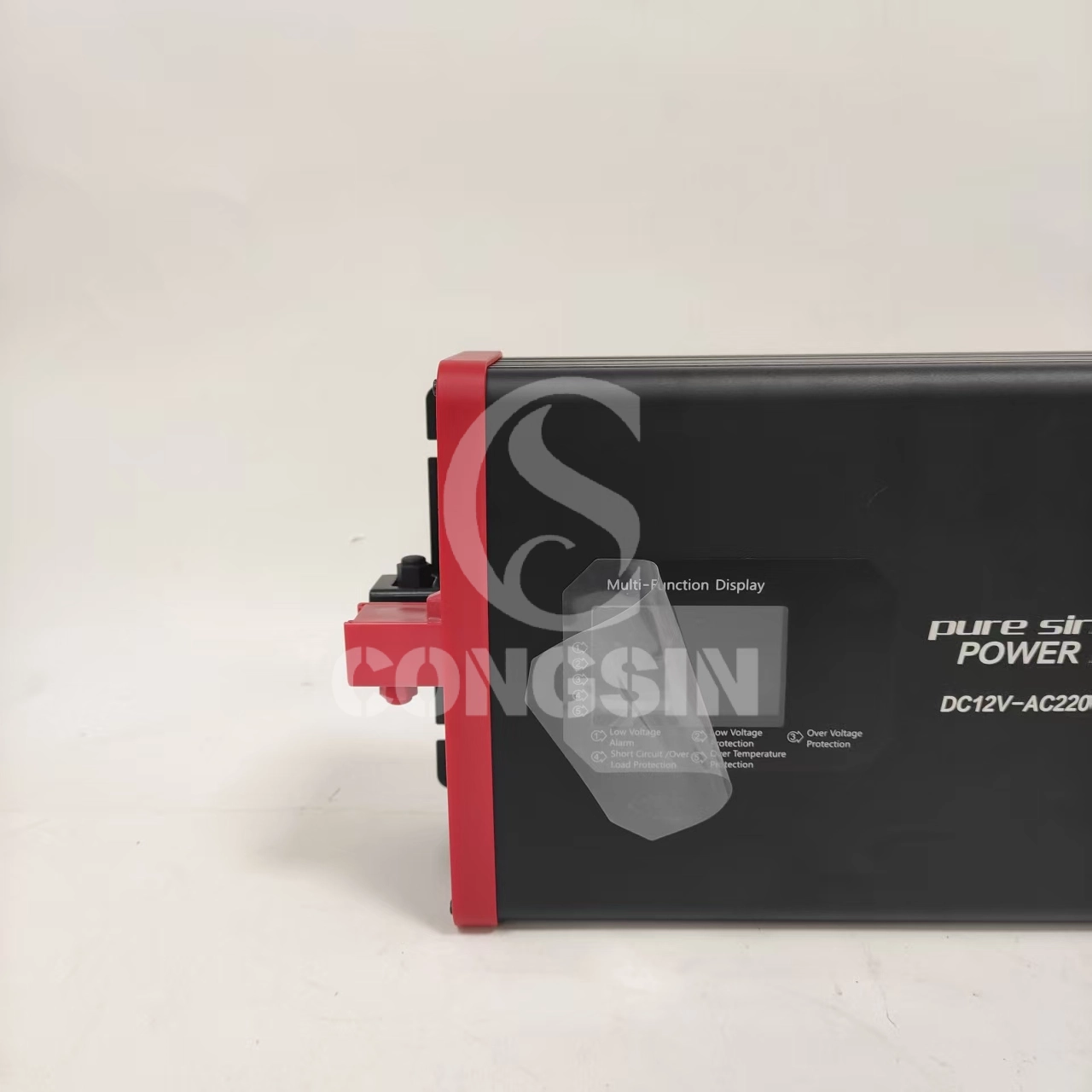
The device features built-in reverse polarity protection. If the positive and negative terminals are connected incorrectly, the circuit will automatically disconnect to prevent damage to the equipment. Simply adjust the battery clip connections (red clip to positive terminal, black clip to negative terminal), then restore power to resume normal operation.
Can this inverter drive a 3P air conditioner and a refrigerator at the same time?
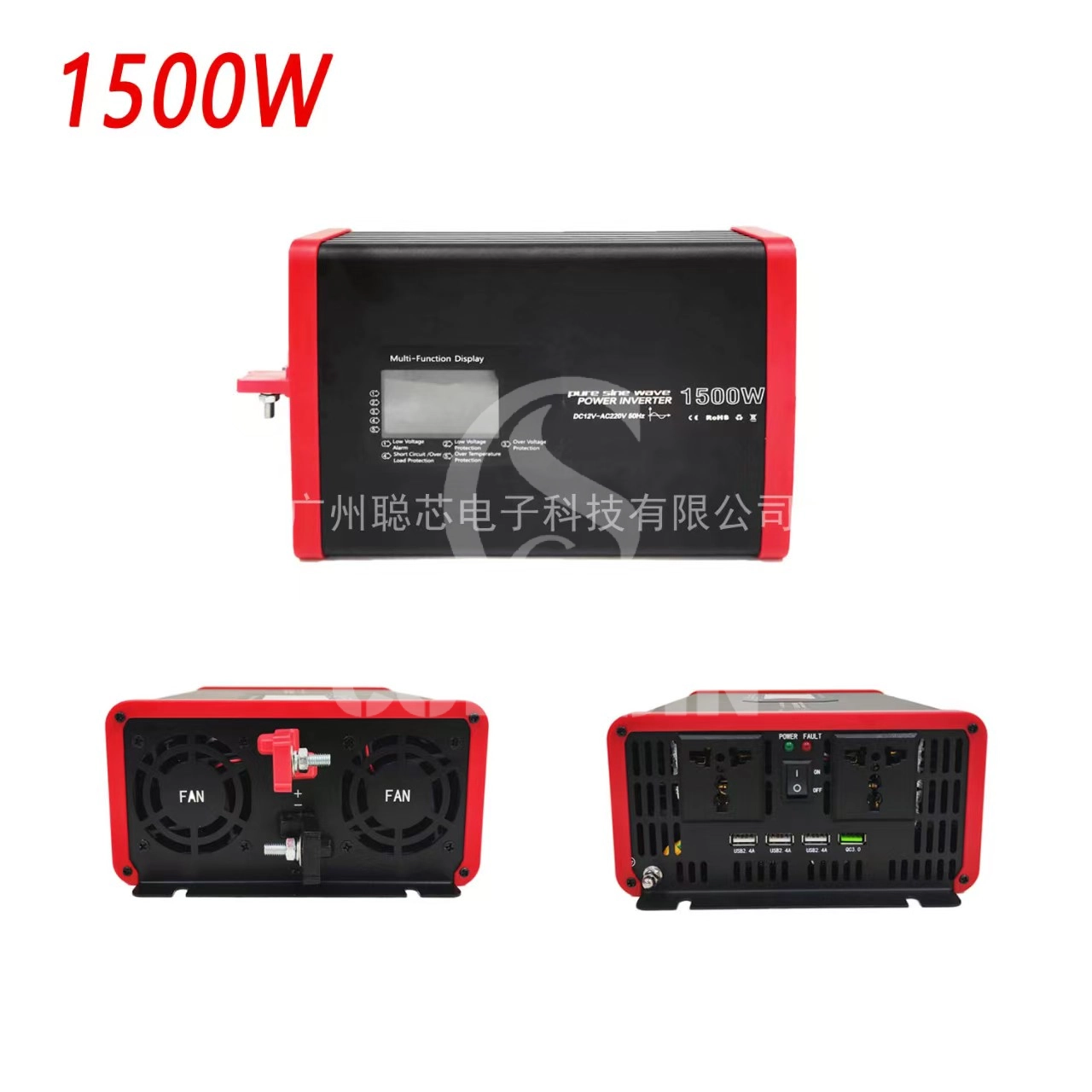
Yes. The rated power of a 3P air conditioner is about 2200W-2500W, and an ordinary double-door refrigerator is about 150W-300W, with a total power of about 2350W-2800W, which does not exceed the 3000W continuous power; and the peak 6000W can cope with the instantaneous startup impact of the air conditioner. When using, ensure the battery capacity is ≥200Ah (12V) to ensure battery life.

Get in Touch with Our Team
You can also communicate with us directly through our online contact form. Please fill in the following information, and our team will contact you as soon as possible after receiving your message.

CONGSIN is a trusted OEM factory for power inverters, solar charge controllers, and DC converters. Reliable solutions for global B2B buyers.
 High Quality
 7/24 Service
 Guaranteed Warranty
© 2025 Congsin. All Rights Reserved.
 WeChat
 Scan QR Code
sin cong
teaimei10
Whatsapp: +8618028086791
Scan QR Code